Friday, November 22, 2024

Bhutanese Claim over the Maraghat in Cooch Behar

 Bhutanese Claim over the Maraghat in Cooch Behar[1]

Although Anglo-Bhutanese treaty was signed in 1774 and peace was established in the region, border demarcation was not defined well. So this ill defined boundary between Bhutan and Cooch Behar made rise to conflict later on. Cooch Behar became the protectorate of the East India Company.

Warren Hastings went to England. Lord Cornwallis took over the Governorship of Bengal. During the tenure of Cornwallis also, Bhutanese submitted a complaint that ruler of Cooch Behar occupied the Bhutanese territories in the plains in 1787. Upon receiving the complain letter from Bhutanese, Cornwallis ordered the collector of Rangpur to investigate the issues and settled the boundary disputes between Baikunthapur and between Bhutan and Cooch Behar.

Macdowall, the collector of Rangpur reported that Bhutanese had taken illegally some of the villages near the Jalpesh which was given to her. But Bhutan never accepted the findings of the collector of Rangpur.

Again in 1794, Bhutanese complained to the Bengal Government over the Bhalka which was held by the Kumar Narayan on behalf of the Raja of Cooch Behar. Bhalka is composed of eight villages. Bhutanese claimed that these villages were given to Bhutanese as gifts by Jagirdar. But the decision was passed in favor of the Cooch Behar by Charles Andrew Bruce who was the former Commissioner of Cooch Behar.

In the following year, when Bhutanese approached the Governor General Sir John Shore, he ordered the probe into the matter. This time also Richard Ahmuty, the Commissioner of Cooch Behar passed the decisions in favor for Cooch Behar Raja.

In 1800, the Raja Harendra Narayan of Cooch Behar appealed to the Government of Bengal his dissatisfaction over the judgment of the Bhalka case where he had to give up his ownership. But there was no change in decisions.

Again in 1807/1809, a new conflict emerged over the Maraghat. Maraghat district lies some 25 miles away from Jaipalguri. According to the Anglo-Bhutanese Treaty 1774, Maraghat was given to Bhutan. However, the Raja of Cooch Behar claimed the southern part of the district known as Gird Maraghat. James Morgan, the collector of Rangpur conducted an on the- spot enquiry and decided in favor of Cooch Behar. In 1809, John Digby the collector of Rangpur confirmed Morgan’s ruling awarding Gird Maraghat to Cooch Behar, and the Maharaja took possession of the territory from 1811 to 1812.

The Bhutanese did not accept the decisions. For example, in 1811 a letter to the Company from ‘Ponlop of Bhutan’ complained that an officer of the Maharaja of Cooch Behar had been causing trouble over the boundary for the previous three years, and expressed fears that war might ensue. Similarly, in 1812 a letter from the Deb Raja again referred to Maraghat, appealed for assistance in resolving the dispute.

 In May 1814 the Maharaja of Cooch Behar appealed to Norman MacLeod, the Commissioner of Cooch Behar, asking him to arrange for the deployment of 50 sepoys to protect the Maraghat frontier from Bhutanese infringements.        

In September 1816, Scott's usefulness was recognized by his appointment commissioner of Cooch Behar in supersession of MacLeod. In his new post he was expected to be "the channel for conducting on the part of the British government all business of a political nature with Bhutan, Assam, and other independent states and Chieftains in the northern and north-eastern frontier of Rungpore.

Scott found himself called upon to interfere in the boundary dispute between the Deb Raja of Bhutan and the Raja of Cooch Behar. The dispute between Cooch Behar and Bhutan was over Maraghat or to speak more precisely the lands which constituted the principal part of the local division called Gird Maraghat.

Scott found sufficient grounds to believe that the enquiry of Morgan and Digby had not been sufficiently full and detailed, and that they had failed to note the earlier decision of the Dinajpur Council, who, after consulting Charles Purlings" own handwritten document, had declared in 1777 that Maraghat along with some other spots, was the possession of Bhutan.

"I proceeded to Maraghat in the beginning of January and during fifteen days examined all such persons as the agents of the Bhutan government and of the Raja of Cooch Behar thought fit to bring forward for the purpose of proving the time and mode of obtaining possession of Maraghat".

The Government was satisfied with Scott's findings and ordered that Gird Maraghat should be restored to the Deb Raja on 24 May 1817. Scott explained the case to Cooch Behar and asked for the hitherto disputed lands to be handed over, together with an account of the collections made in Maraghat during the Cooch Bihar occupation of the place.


[1] The information of this chapter is based on “DAVID SCOTT IN NORTH-EAST INDIA (1802-1831), A STUDY IN BRITISH PATERNALISM” by NIRODE K. BAROOAH.


Thursday, November 14, 2024

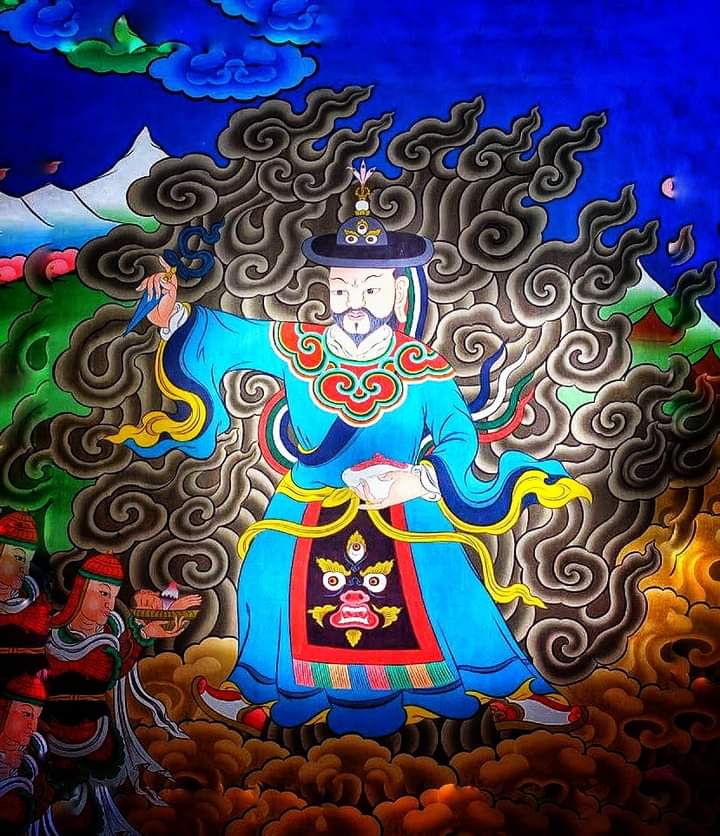
Guru Dorje Drolo


Guru Dorje Drolo

    ཨོ་རྒྱན་ཡུལ་གྱི་ཤར་ལྷོ་མཚམསཿ    ཟ་ཧོར་རྒྱལ་པོའི་ཡུལ་དབུས་སུཿ   བདུད་འདུལ་དྲག་པོའི་དངོས་སྒྲུབ་བརྙེསཿ ཤཀྱ་སེང་གེ་གཤེགས་སུ་གསོལཿ    

ཡུལ་གྱི་མིང་ནི་རྒྱ་གར་ཡུལཿ  གྲོང་ཁྱེར་མིང་ནི་མ་ག་དྷཱཿ    མུ་སྟེགས་འདུལ་བའི་དངོས་སྒྲུབ་བརྙེསཿ      སེང་གེ་སྒྲ་སྒྲོགས་གཤེགས་སུ་གསོལཿ     

ཡུལ་གྱི་མིང་ནི་བོད་ཀྱི་ཡུལཿ  སྟག་ཚང་སེང་གེ་བསམ་འགྲུབ་ཏུཿ 

དྲེགས་པ་ཚར་གཅོད་དངོས་སྒྲུབ་བསྙེསཿ  རྡོ་རྗེ་གྲོ་ལོད་གཤེགས་སུ་གསོལཿ


Source: Norjam Tsasum Lejang Pema Jonshing and Norjam Thukdrup

Translation. 

From the southeast border of the land of Oḍḍiyāna,

In the central land of the Zahor king,

Attained the powerful subjugation of demons. Śākya Senge, I beseech you to come.

The name of the land is India.

The name of the city is Magadha.

Attained the power to tame the non-Buddhists.

Senge Dradrok, I beseech you to come.

The name of the land is Tibet.

In the Tiger's Lair, Lion's Accomplishment,

Attained the power to annihilate arrogance.

Dorje Drolö, I beseech you to come.

Note: Translated using Monlam ai


Saturday, October 12, 2024

Bhutan and Its Founder Chogyal Zhabdrung Ngawang Namgyal (1594-1651)

 Bhutan and Its Founder Chogyal Zhabdrung Ngawang Namgyal (1594-1651)[1]


The Unification of Bhutan into Nation State

Bhutan lies in the eastern himalayan region. People were living in this part of the region from the time immemorial. The region (Bhutan) was blessed by Guru Rinpoche in the 8th century CE. The seeds of the Mahayana Buddhism arrived at the Bhutanese soil. People lived in different valleys. There was no contact among the people of different valleys as they were cut off by rivers, dense forests and mountains systems. Different valleys were ruled by petty rulers.

However, in the early 17th century CE, Zhabdrung Ngawang Namgyal, a Drukpa hierarch from Ralung Monastery came to Bhutan in 1616. He was welcomed cordially by Hobtsho lama of Gasa. Wherever he visited, a crowd of people gathered to receive blessing from him. People also offered gifts to Zhabdrung Rinpoche. The people of Wang (Thimphu) and Paro took Zhabdrung Rinpoche as their leader.

 Although, Zhabdrung left Tibet and came to Bhutan, Tsang Desi Phuntsho Namgyal (1610 - 1613) sent Tibetan forces to attack Zhabdrung Rinpoche. But Zhabdrung Rinpoche gave the Tsang forces a crushing defeat with the help of people from Paro. The Zachen Choje Dorje Gyalpo and people of Wangcha gathered militia and assisted Zhabdrung to fight back the Tsang forces. Prior to the invasion of Tsang Desi, the people of Paro said “Drukpa Rinpoche was under  hardship, we cannot simply watch”. Bhutanese forces killed the leader of the Tsang Desi Lagune. They took his knife, hand, head and heart to Zhabdrung Rinpoche with victory flag. Zhabdrung Rinpoche celebrated the first victory from the Tsang Desi in a grand manner.

Then Zhabdrung went to Tango on the invitation of Tshewang Tenzin who was the descendant of Lam Drukpa Kunle and Phajo Drugom Zhigpo. Tshewang Tenzin offered Zhabdrung the whole estates of Tango. Then Zhabdrung meditated in a cave at Tango. His meditation was fruitful one. Tsang Desi Phuntsho Namgyal passed away in Tibet. Then Zhabdrung composed the sixteen I, which reflects the greatness of Zhabdrung Rinpoche.

When Zhabdrung Rinpoche was at Tango, one Darchug Gyaltshen from Chapcha invited Zhabdrung to Chapcha. People of Chapcha received blessing from Zhabdrung and people offered gifts to Zhabdrung.  Darchug Gyaltshen and the Maharja of Cooch Behar were good friends. Darchug Gyaltshen informed Maharaja Cooch Behar that Zhabdrung Rinpoche was at Chapcha. The Maharaja sent Zhabdrung Ngawang Namgyal silver coins, gold coins, an ivory tusk, and cloths along with letter. Bhutanese ruler Zhabdrung Ngawang Namgyal in return sent the Cooch Behar Maharaja sacred knotted threads, blessed pills, a saddle and a set of riding items. Zhabdrung Ngawang Namgyal wrote the following letter:

“You, my friends have prayed well in your past life. Though we live in different places, our minds are united. Having received your letter and precious gifts, I am extremely delighted. I have deeply prayed for your happiness now and for the future”[2]

Prior to this event, the Cooch Behar Maharaja was Bir Narayan (1621-1626). The Portuguese Jesuits after visiting the Raja Bir Narayan at Cooch Behar came to Bhutan and visited Zhabdrung Rinpoche in 1626. On another occasion, Zhabdrung Ngawang Namgyal sent a letter advising the Maharaja of Cooch Behar to practice Buddha Dharma. Maharaja responded by saying he was practicing the Buddha Dharma and Maharaja sent Zhabdrung Ngawang Namgyal a text of Gyatongpa.

 Cheri is a place in upper Thimphu valley which is equivalent to Dorjeden of India and called as Cheri Dorjden.  On a good and lucky day, Zhabdrung founded the Cheri Monastery, at the age of twenty-seven in 1620.  The following year, about thirty monks including Pekar Jungney were recruited to become the first monk body in Bhutan.

At the age 35, Zhabdrung Rinpoche next visited Thinley Gang, Thed (Punakha) and Shar (Wangdu Phodrang). Zhabdrung was given warm welcome. Zhabdrung settled the disputes that were there between the descendants of Phajo’s son Garton. Like in Wang and Paro, people offered lands and monasteries to Zhabdrung. But the five group of lamas who did not welcome Zhabdrung, blocked the ways and even robbed the offerings made to Zhabdrung by people.

Zhabdrung Rinpoche then launched the building of dzongs to be served as the centres of the both civil and religious administration and also to protect the valleys from invasions. Dzongs were built at strategic points. Simtokha Dzong was the first Dzong to be built by Zhabdrung Rinpoche in 1629 at the age of 36. During this time, the five group of lamas attacked Zhabdrung Rinpoche under the leadership of Ne Nyingpa lama Palden. But he was killed in the battle. At age 40, Zhabdrung took Nyen Dzog gi Dompa from his master Ngawang Lodro who was nearing to age eighty. Again there was an attack by the five group of lamas and Tsang Desi. Tsang Desi attacked Bhutan from different places such as Paro, Gasa, and Bumthang. But due to the weather and Bhutan’s mountainous terrain and also the protectors of the Drukpa Kagyud, they could not invade Bhutan. After the signing of the peace treaty, they left Bhutan.

At age 41, Zhabdrung went to Gon Gasa. He visited Gon Khatod and Gon Khame. On his arrival at Tshephu Marak Tika, the Barawa lama having felt guilty as they had participated in revolting against Zhabdrung ran away from there and settled at Ladrang. Zhabdrung Rinpoche meditated for long life at Gon Tshephu which is equivalent to Marak Tika of Nepal.

Then Zhabdrung visited Kawang, Todwang, Mewang in Thmphu and went to Paro. At Paro, he visited Wangcha and Shaba. Then returned to Cheri for rest. Then he again visited Shar valley and further visited Athang Rukha and finally came to Punakha.

Then Zhabdrung Rinpoche went on building Punakha Dzong at the confluence of phochu and mochu in 1637. After the completion of the construction of the Punakha Dzong which took one and half years, Zhabdrung Rinpoche embarked on the establishment of the dual system of Government at the centre level where he was the overall leader of a country. To help him, he made some appointments. He entrusted the civil administration to his treasurer Umze Tenzin Drugyal. Zhabdrung Rinpoche also appointed Druk Namgyal as Dronyer after returning from Ralung Monastery. When Zhabdrung left Ralung Monastery, Druk Namgyal was kept as the Nyerpa of the Ralung Monastery.The religious activities were looked after by his another trusted disciple Damcho Gyaltshen.

Zhabdrung Rinpoche began to build another great Wangdu Phodrang Dzong in 1638. When Zhabdrung was at Wangdu constructing the Dzong, the combined forces of Tsang Desi and five group of lamas attacked Punakha Dzong. They surrounded the Punakha Dzong. The Tsang Desi was invited by the five group of lamas. Actually this time Tsang Desi had no intention to attack Zhabdrung but they had sent their forces as policy matter only. Tsang Desi also desired for peace settlement. Zhabdrung Rinpoche then suppressed the revolts organized by the Tsang forces and five groups of lamas of Bhutan. One Barawa lama Koncho Gyaltshan was drove out of country to Sikkim[3]

After the succeessful repulsion of the Tibtan forces of Tsang Desi and suppression of the five group of lamas, Zhabdrung Rinpoche became the supreme leader of Bhutan. For this effect, Tsang Desi of Tibet also recognized Zhabdrung Rinpoche as the leader of Bhutan. Zhabdrung Rinpoche’s name and fame spread to neighbouring countries including Ladakh.

Zhabdrung Rinpoche and King Sengye Namgyal of Ladakh (1616- 1641)

King Sengye Namgyal of Ladakh had a strong faith for both the northern and southern Drukpas. King Sengye Namgyal even invited Zhabdrung Rinpoche to Ladakh. But since Zhabdrung was busy in consolidating his rule in Bhutan, he could not go but sent Choje Mug Dzinpa as his representative[4]. Choje Mug Dzinpa was the first Bhutanese lama to be sent to Ladakh. Choje Mug Dzinpa founded the present Tagna Monastery of Ladakh. But in which year the King Sengye Namgyal made invitation to Zhabdrung Rinpoche and when Choje Muk Dzinpa was sent to Ladakh were not mentioned in both Ladakhi and Bhutanese sources. However, by 1622, Choje Muk Dzinpa was in Ladakh serving the Ladakhi king.  In 1622, there was a conflict between Ladakh and Guge where Choje Muk Dzinpa had to mediate and established a truce between the two parties. The two parties agreed for the mediation arranged by the Choje Muk Dzinpa and peace was prevailed for sometimes. Choje Muk Dzinpa called the Tag Tshang Repa who was the representative of the northern Drukpa to his residence and informed him the situation and urged Tag Tshang Repa to settle the conflict permanently. Choje Muk Dzinpa knew that he was not going to live longer. So he advised Tag Tshang Repa to resolve the disputes once for all. Choje Muk Dzinpa passed away in 1624. After the death of Choje Muk Dzinpa, the conflict between the Drukpa monks at Gyapa and the ruler of Guge surfaced again. The troops of Guge took Myanpori Dzong in 1627.The Guge ruler killed some Drukpas and imprisoned about eight monks along with a leader. Zhabdrung Rinpoche was against the Guge leader for his actions and sent Dor Dzin Samten Rabgye and Lobo Chagzod. They captured the outer pasturelands of Guge. However, the conflict was settled by the Tag Tshang Repa who was the representative of the northern Drukpa at Ladakh. King Sengye Namgyal gave many Estates to Zhabdrung Ngawang Namgyal of Bhutan at Kailash, in Guge, Zangskar and Lahul etc. To look after these estates those were received from Ladakhi rulers, Zhabdrung Rinpoche appointed his representatives. As we have read already the case of Choje Muk Dzinpa in Guge, Zhabdrung Rinpoche appointed his representatives at Kailash. The Samten Rabgye as the representative at Kailash was mentioned above. These lama representatives were known by the title “Dor Dzin” and sometimes, they are also called Gangri Lams. The Mount Kailash is the pilgrimage site for Buddhist in general and Brigungpa and Drukpa in particular.  Drukpas had established many hermitages for meditation[5].

At the age 48, in 1641, Zhabdrung Rinpoche took over the Do Ngon Dzong of Lhapa and converted into Drukpa palace. It was named as Trashi Chhodzong. Since then Trashi Chhodzong became the summer resident, while Punakha Dzong was the winter resident.

In Tibet, the reign of Tsang Desi declined and the new government was formed by the Gelug School under the leadership of 5th Dalai Lama in 1642. The new Gelug government was known as Gadenpa. Bhutan did not attend the enthronement ceremony of the 5th Dalai Lama as the new leader of Tibet, while Sikkim and other leaders did attend the ceremony. Sonam Chophel was serving as the Depa or regent of the Dalai Lama’s new government.

In 1644, Depa Sonam Chophel and Gushri Khan invaded Bhutan through Bumthang. Their forces consisted of seven hundred Mongol and Tibet troops under the command of three officers of Nangso Dondup, Drontsenas and Dujungnas. After the capturing of three officers by Bhutanese, the troops dispered and ran away back to Tibet. The captured three officers and arms were brought to Punakha dzong. The grand victory ceremony was conducted at Punakha Dzong[6].


 In the mean time, the construction of Rinpung Dzong at Paro was going on in 1645. After the completion of the construction of it, La Ngonpa Tenzin Drukdra who was the half brother of Zhabdrung Rinpoche was appointed as first Paro Penlop.  A dzong was built at Haa and a Dzongpon was appointed. Similarly, a Dzong was built at Dalingkha and Dzongpon appointed there also. The dzongs at Sangbe Kha and Dungna were built and a Nyerpa was appointed to look after the region.

In the east, a Dzong was built at Trongsa in 1647 and Chogyal Minjur Tenpa was appointed as Penlop. Prior to the arrival of Zhabdrung Rinpoche in Bhutan, there were many petty rulers ruling each valley. For example, Bumthang was ruled by Chokhor Deb and in Monggar, Lhuntse Trashigang and Trashi Yangtse, there were many many local rulers.  Chogyal Minjur Tenpa, Druk Phuntsho, Damcho Rabgye and Lam Namse were the main people who brought the eastern region under the rule of Palden Drukpa.The construction of Jakar Dzong was followed by the Lhuntse Dzong, Zhemgang and Zhonggar Dzong. For these Dzongs, a Dzongpon each was appointed to carry out the administrative works for the welfare of the people. 

In 1648, Gadenpa sent much larger army this time to Bhutan from Paro and Punakha. The Gadenpa forces were led by Depa Norbu who was the nephew of the regent Sonam Chophel. The Bhutanese forces were led by La Ngonpa Tenzin Drukdra (by this time, Paro Penlop). When Tenzin Drukdra retaliated the Gadenpa forces, the Depa Norbu, the commander fled to Phari. When the news of the defeat of the Gadenpa forces reached at Punakha, the Gadenpa forces at Punakha left the Punakha Dzong and returned to Tibet. To celebrate the victory over the Gadenpa invasion, Paro Penlop Tenzin Drukdra built a Dzong and named it as “Drukgyal Dzong”[7].

In the south, Zhung Dronyer Druk Namgyal was sent to Daga to suppress the robbers and the unruly people out there. Then Daga Dzong was constructed in 1649. Tenpa Thinley was appointed as Penlop.

 After reigning the country for about thirty-five years, Zhabdrung Rinpoche entered into permanent retreat in 1651. Within thirty-five years, he created Bhutan a Nation state, he established dual system of government, he introduced laws and he consolidated the teachings of Drukpa Kagyud in Bhutan.   Therefore, Bhutanese people should grateful to Zhabdrung Rinpoche for the unification of the country under his great leadership. Bhutanese people are also thankful to Zhabdrung Rinpoche for the creation of a unique customs and traditions for Bhutan which is the cultural heritage of Bhutan today.


[1] The information is based on Biography of Zhabdrung Rinpoche by Late Je Gedun Rinchen.

[2] Nado (1986), Tshewang (1994) translated into English by Jagar Dorji.

[3] Adrussi

[4] www.peoplepill.com

[5] Petech (1977)

[6] Shakabpa (2010), Phuntsho (2013)

[7] Phuntsho (2013)


Friday, October 11, 2024

This is a letter from the Desi of Bhutan to the Brigadiers-General (Dunsford) commanding the Force, dated 27th December 1864.


This is a letter from the Desi of Bhutan to the Brigadiers-General (Dunsford) commanding the Force, dated 27th December 1864.

" The territory which the Deb Raja has long since governed, although very small, he is contented with, and is never desirous of taking possession of the neighboring kingdoms of Chinese Tartary, China and English territory, nor ever put their peasantry into trouble. The Queen and the Deb Raja are like sister and brother. Last year when Mr. Eden came to me, I paid him such respect as was due to him, and introduced him to the Dhurma Raja, who settled the matter of captives with him. He, Mr. Eden, solemnly promised that he would never break the peace existing between us, or fight with us; but, in spite of this promise, you fight, which I do not like; you also never sent me any notice as to the reason of fighting, nor as to the time when you wish to do so, butt at once began by taking possession of our country, and halve driven out all our people, occupied all the forts, and have done great injury by burning them. I never thought you, who are friends, would do such acts, and I cannot believe that the Queen has ordered you to occupy my country. When two Rajas desire to fight, they send information as to when they will begin to fight. This is the custom of my country, and when any party is vanquished he loses his territory. But if you like robbers take possession of my country, it depends upon your will, and as you have done so, be satisfied yourselves; but I shall never consider that you occupied my country as I did not fight. As for the plains which you have occupied, you will not be able to hold them. I advise you to attend to this; but if you do not, I will not hear it afterwards. If you wish for peace and do not disturb our peasantry, it will be best for you to go back to your own country without doing any more harm to ours. But if you will take possession of my country, which is small, without fighting, and attach it to your own kingdom, which is large, I shall send the divine force of twelve gods, as per margin, who are very ferocious ghosts. Of this force 7,000 stop at Chamoorchee, 5,000 at Doorma, 9,000 at Buxa, and 102,000 at Dhalim Door. You have done great injury to our country, and should not repeat it. For the present it is advisable for you to return to your own country and keep pence with me. I have never broken the ties of friendship and you should not do so, but if you do not like to withdraw your troops, you should write me in reply at once to Poonakha."


Source: Rennie, David Field (1866, 2005)


A document was found at Balla stockade addressed by the Wangdu Phodrang Dzongpon to the Bhutanese official at Balla. The following is a translation of the letter:


A document was found at Balla stockade addressed by the Wangdu Phodrang Dzongpon to the Bhutanese official at Balla. The following is a translation of the letter:

“I have heard that you are prudently acting, by building a strong stockade at Tazagong, for the protection of our country from the attacks of the ambitious and all-country-destroying English. As the hot season is at hand, you have requested permission to leave the position. I am aware that the place is getting warm, but if you return without gaining a decided victory, the great Chiefs and Lamas will surely hold you in great disgrace. So resolve never to come back but die in war. If you now come back, then what avail the hardship you have undergone so long in fortifying the position? What was the good of your undergoing labour so hard that you have reckoned one day as ten? What is the consequence of your lying in the open air whole nights, and sleeping upon the grass, having only a stone for your pillow? Certainly the old Penlow of Paro will be highly displeased with your conduct, in spite of all the troubles you have undergone. In fact, in that case you will have no excuse to offer to the same. I am informed that the old Zimpen, instead of accompanying ~011, went to the Lama. I am also informed that four men were killed in a battle. Do not be afraid on account of it, but remember that they were killed for the sake of their country. Resolve that we must take vengeance for it, by punishing the ambitious English, the expense of our own Lives. It is better to have our bodies cut into pieces than to come back without punishing the enemy. He who is the most prudent and careful can never be defeated. The Paro Penlow is determined to fight at all hazards, and retain one side of the country. Resolve that we should work hard, so as to cut the hardest stones and iron to pieces. Balla cannot be very hot this season, so do not fear sickness; and in the hot season there is a cool place for you at Tazagong. In the hot season the troops will fight, and if they get sick we cannot help it. Buxa, Chamoorchee, and Tazagong, are cool places; we shall therefore be able to fight from there. I alone have considered the propositions from head to foot. You make a committee and consider the ways of keeping our country. I am ready to accompany you, but as there is a festival held by our Lamas, I am obliged to remain with them. It will be finished on the 10th. I shall answer the letters from the East and the West on the 11th or 12th.-come home on the 13th, and start to join you on the 15th. Most probably I shall arrive at your place on the 18th or 10th; but do not be sorry if I do not join you at the time I mention."


Source: Rennie, David Field (1866, 2005)

Friday, October 4, 2024

Druk Gyalpo Jigme Wangchuck (1927 – 1952) and British India


Druk Gyalpo Jigme Wangchuck (1927 – 1952) and British India


  Druk Gyalpo Ugyen Wangchuck passed away in 1926. Trongsa Penlop Jigme Wangchuck informed to the British India about the passing away of his father Druk Gyalpo Ugyen Wangchuck. In the following year, Trongsa Penlop Jigme Wangchuck was enthroned as the second Druk Gyalpo of Bhutan. The British India Government was represented by the political officer of Sikkim, Mr. F.M. Bailey.

Dr. Graham visited Bhutan on the occasion of the coronation of the second Druk Gyalpo in 1927. Dr. Graham was one of the invittees on the occasion of the coronation of the second Druk Gyalpo. The following is the invitation letter to the Dr. Graham from the Druk Gyalpo:

You were my friend in the time of my father; now also my full hope is in you. The Viceroy has

sent a letter in which he has ordered me that I should at once take the position of Maharajah and accordingly on the 5th day of the 9th month of our Bhutanese year I assumed the office of Maharajah. In the second month of the Bhutanese year my Durbar will be held at Punakha. On that occasion. my dear friend, at all costs you must be present, whatever happens”.


In 1935, when the Druk Gyalpo and Queen of Bhutan visited Kalimpong, Dr Graham played a prominent part in the official welcome to the royal couple. Dr Graham wrote on 5th November 1938 to the Foreign Secretary of the Government of India, mentioning Bhutan’s urgent need of help from British India for Bhutan’s development:

 “The country is at present a poor one. It could be made a rich one if there was money to develop it”. He requested the British India Government for a sum of 13 lakhs of rupees over a ten-year period, to bring development in Bhutan.

In 1931, Lt. Colonel J.L.R. Weir came to Bhutan to invest the Druk Gyalpo with the insignia of K.C.I.E. The awarding ceremony was done at Kurje Lhakhang in Bumthang. Weir returned to India from Dewangiri. He observed Bhutan needs roads for the transportation of goods from Assam. Weir recommended the British India Governemnt to increase the financial assistance to Bhutan. Williamson became the next political officer of Sikkim. He came to Bhutan in June 1933. He was accompanied by Rai Bahadur Norbu Dhondup and captain D. Tennant. Williamson discussed with the Druk Gyalpo about Bhutan’s financial needs. Captain Tennant also treated Bhutanese people. In the same year, Major C.J. Morris also came to Bhutan to look into the possibility of recruiting the Bhutanese to the reserve force of the Britsh India as the Second World War was about to take place. However, not a single Bhutanese was recruited.[1]

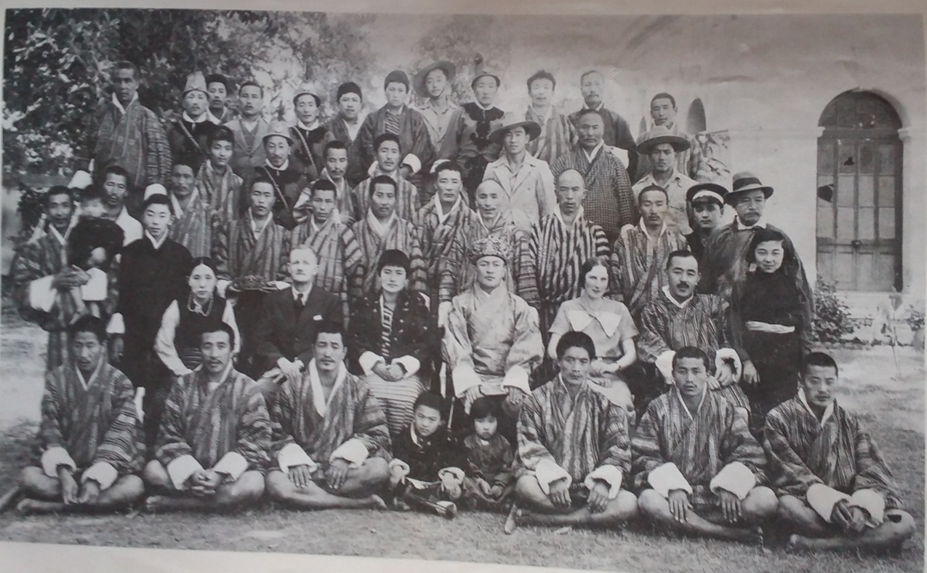
Williamson again came to Bhutan as the Druk Gyalpo’s guest. In return, Williamson welcomed Druk Gyalpo and Queen to Calcutta. At Calcutta, Druk Gyalpo called on Lt. Governor and Viceroy. Druk Gyalpo and his team visited paper mills and ammunitions factories among others.

 Mr. Gould was the political officer of Sikkim.  He visited Bhutan in 1935. In the following year, Druk Gyalpo asked more money from the British India. In 1938, Gould visited Bhutan again. He was accompanied by Captain Morgan and Gonzim Sonam Tobgye Dorje.  Mr. Gould suggested to the Druk Gyalpo that Bhutan needs to conserve forest, bring improvement in communication, removal of extravagant type of feudalism and adoption of taxation system that would generate revenue for the country.

In 1942, Sir Basil Gould was successful in increasing another hundred thousand to be added in subsidy. During the meeting between the Druk Gyalpo and Gould in 1943, Druk Gyalpo made a generous contribution of about Rs. 60,000/ to the Viceroy’s war fund and another 10,000/ to Viceroy’s Red Cross Appeal.

In1943, Gould went to Paro with lady Linlithgow, the Vicereine, prince Thondup of Sikkim. Gould also made a request to the British Inda Government to return Dewangiri to Bhutan. The same issue was already raised by the Druk Gyalpo Ugyen Wangchuck earlier to British India. But Briitsh India declined the request.

In 1944, Druk Gyalpo Jigme Wangchuck was awarded the K.C.S.I, while Gongzim Sonam Tobgye was conferred the C.I.E. In 1946, Druk Gyalpo asked to have a meeting with the British Cabinet delegation then visiting India but told that they had no time. Then delegation from Bhutan and Sikkim approached External Affairs Department in Delhi. Druk Gyalpo was very much concerned about the status of the country as British was preparing to leave India. The political officer A.J. Hopkinson was instructed to produce a memorandum on this matter.

 The Last British India Mission to Bhutan 1947

 In 1947, A.J. Hopkinson visited Bhutan to invest the insignia of the Knight Commander of the Star of India. The investiture ceremony was taken place at Haa. The Political officer and his wife were accompanied by Princes Palden Thondup and Jigdal Tsewang Namgyal of Sikkim,

Rai Bahadur TD Densapa, Rai Bahadur Sonam Topden, Yap Tempo Namgyal Barfungpa and Rai Sahib Tseten Wangdi of the Political Office.[2]

 British India left India on 15 August 1947 thereby giving independent to India. Bhutan still worrying about its status approached the then Prime Minister Jawahalal Nehru. Prime Minister Nehru told Bhutan that Bhutan is a special case and will talk its status later. Prime Minister Nehru was clear that Bhutan would not merge with the union of the Indian States. Therefore, after consultations and deliberations between the two governments in 1949, a treaty was signed whereby Bhutan agreed to consult the Indian Government in her external affairs, while Indian Governemnt returned 32 square miles land known as Dewangiri which was taken by British Indian in 1865.

                                                Druk Gyalpo Jigme Wangchuck and his entourage at Calcutta in 1935

                                                 Source:  Williamson, M.D. (1987)


                                                       Druk Gyalpo with Viceroy at Calcutta in 1935

                                                        Source: William, M.D. (1987)


[1]Morris (1935)

[2] Croston (2006)

Sunday, September 22, 2024

A Durbar in Buxa – 1909


A Durbar in Buxa – 1909[1]

Mr. White was replaced by Charles Bell as political officer of Sikkim and Bhutan. The subsidy for Bhutan was to be given at Buxa as per the request made by the Bhutanese earlier to the British India. Mr. Charles Bell informed the Major Gordon who was in charge of the British military camp at Buxa to arrange hundred soldiers for Guard of Honour for the ceremony. Meanwhile, a representative of Bhutan Government, the Deb Zimpon and team arrived two days earlier than the occasion of the Durbar. The Bhutanese Envoy, Deb Zimpon had earlier visited Calcutta along with Trongsa Ponlop Ugyen Wangchcuk in 1906. Mr. Gordon and Deb Zimpon became good friend. The Deb Zimpon even invited Mr. Gordon to Bhutan. Deb Zimpon promised to arrange the permission from the Druk Gyalpo for Gordon to enter Bhutan.

The following day, a detachment of native police came from Alipur Duar escorting a train of coolies carrying wooden boxes which contained the fifty thousand rupees of the subsidy. Finally, the Political Officer, Mr Bell, arrived by train from Darjeeling. On the following day, the Durbar was held. On the parade ground a few of the tents were pitched to form an open-air reception hall. A Guard of Honour of two native officers and a hundred sepoys in their full-dress uniform of red tunics, blue trousers and white spats, was drawn up near it; and the boxes of treasure were brought down and deposited on the ground beside the tents.

Mr Bell, in his political uniform was received with a salute by the Guard of Honour. The Political Officer came forward to shake hands with him; and the Deb Zimpon offered a white silk scarf around his neck.


Then everyone in the parade ground seated. The Deb Zimpon produced a letter showing that he was rightly appointed Bhutanese representative to receive the subsidy.

After inspecting the authenticity of the documents, the money was formally handed over to the Deb Zimpon of Bhutan. Then, the Deb Zimpon’s followers came with baskets of oranges and Bhutanese blankets. The Durbar came to an end then.

Mr. Charles Bell left the Buxa next day and there was expectation that the Deb Zimpon would also leave for Bhutan with the subsidy. But Deb Zimpon stayed back at Buxa for a week. One day, Deb Zimpon and followers came down to Major Gordon with bow and arrows. There was competition of archery match and Major Gordon was defeated. The Deb Zimpon and his team were shown the annual field firing. The Deb Zimpon seemed interested and also wondered at the performance of the firing by the British soldiers. Finally, Deb Zimpon and his team left for Bhutan.


                                                                          Deb Zimpon


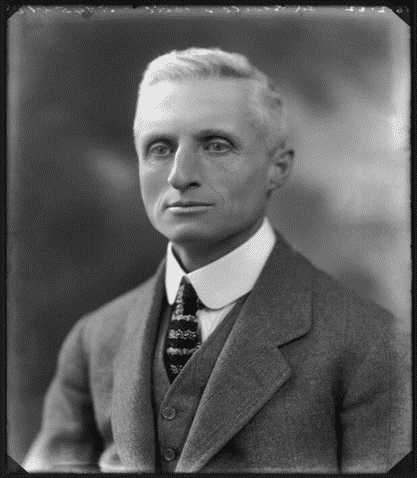
                                                         Sir Charles Bell


[1] Casserly (1914)

The Roles of Trongsa Penlop Ugyen Wangchuck in the Conflict between the British Raj and Tibet in 1888

  The Roles of Trongsa Penlop Ugyen Wangchuck in the Conflict between the British Raj and Tibet in 1888 We know Trongsa Penlop Ugyen Wangc...